

Looking for ways to make money selling stuff online without buying a course, renting a warehouse, or transforming your hallway into a cardboard avalanche? Start by looking around your home. Your old jeans, unread books, spare camera, forgotten games, and that vase you keep moving from shelf to shelf might be worth something to another person. Not every object is a jackpot, and that is exactly why this guide begins with research instead of fantasy.
Selling things you already own is one of the more approachable ways to test a side hustle because you can learn photography, pricing, shipping, and customer communication without first purchasing inventory. Some people use the money for groceries or a trip. Others discover that they enjoy the process enough to branch into sourcing secondhand finds. Neither outcome requires you to call yourself a CEO while standing next to a half-empty closet.
Quick answer: To make money selling things online, choose five to ten items you already own, check actual sold prices, photograph each honestly, list on the marketplace best suited to the item, calculate fees and shipping before accepting an offer, then reinvest only after you know which categories sell. The difference between revenue and profit matters more than any viral income claim.
Want to begin tonight? Jump to the 7-day starter plan, or browse the 12 practical ways to sell. You do not need ten gadgets to make a first sale; our recommended equipment appears only where it can solve a genuine problem.
Why Selling Online Can Be a Realistic Side Hustle
You can control how much time you spend, start with inventory you already own, and test demand one listing at a time. There is also an existing audience for secondhand goods. Google reported in June 2026 that search interest in “vintage” and “how to thrift” had reached all-time highs that year. That is evidence of interest in secondhand shopping, not proof that any particular seller will earn a specific amount.
12 Ways to Make Money Selling Things Online
These are twelve categories and selling approaches, not twelve guaranteed paychecks. Begin with what you can identify and describe accurately, then watch your own sold listings for signs of demand.
1. Sell Gently Used Clothes From Your Closet
Begin with jackets, denim, workwear, occasion outfits, and quality basics in clean condition. Photograph the brand and size tags, fabric content, measurements, front and back, and every flaw. Buyers want to know whether that “like new” coat has a stain near the cuff; the stain will not become less visible through positive thinking.
Compare sold items of the same label, style, size, and condition rather than copying optimistic asking prices. On fashion-focused marketplaces, clear photos and measurements can reduce repetitive questions and disappointed buyers. If an item has no meaningful resale value, donating or recycling it may be a better use of your time.

Conair Turbo ExtremeSteam Handheld Fabric Steamer
Refresh eligible garments before photographing. Always check garment care labels and avoid steaming delicate or damaged material.
View on AmazonCPC may earn an affiliate commission from your purchase, thank you.
As an Amazon Associate I earn from qualifying purchases. Affiliate links may earn Catching Print Co. a commission at no additional cost to you. Product purchases are optional; use what you already own whenever possible.
2. Flip Vintage Home Decor and Small Collectibles
Small ceramic pieces, framed prints, vintage trays, glassware, and unusual decorative objects can appeal to shoppers seeking character rather than mass-produced perfection. Research maker marks and patterns before pricing. Do not describe something as antique, rare, or handmade without evidence; keywords are not a substitute for identification.
For fragile goods, factor in cushioning, a sturdy box, delivery risk, and the chance that the buyer expects a condition report. Start with objects sturdy enough to ship economically. An adorable $12 plate does not become profitable if protecting it requires a parcel the size of a dishwasher.

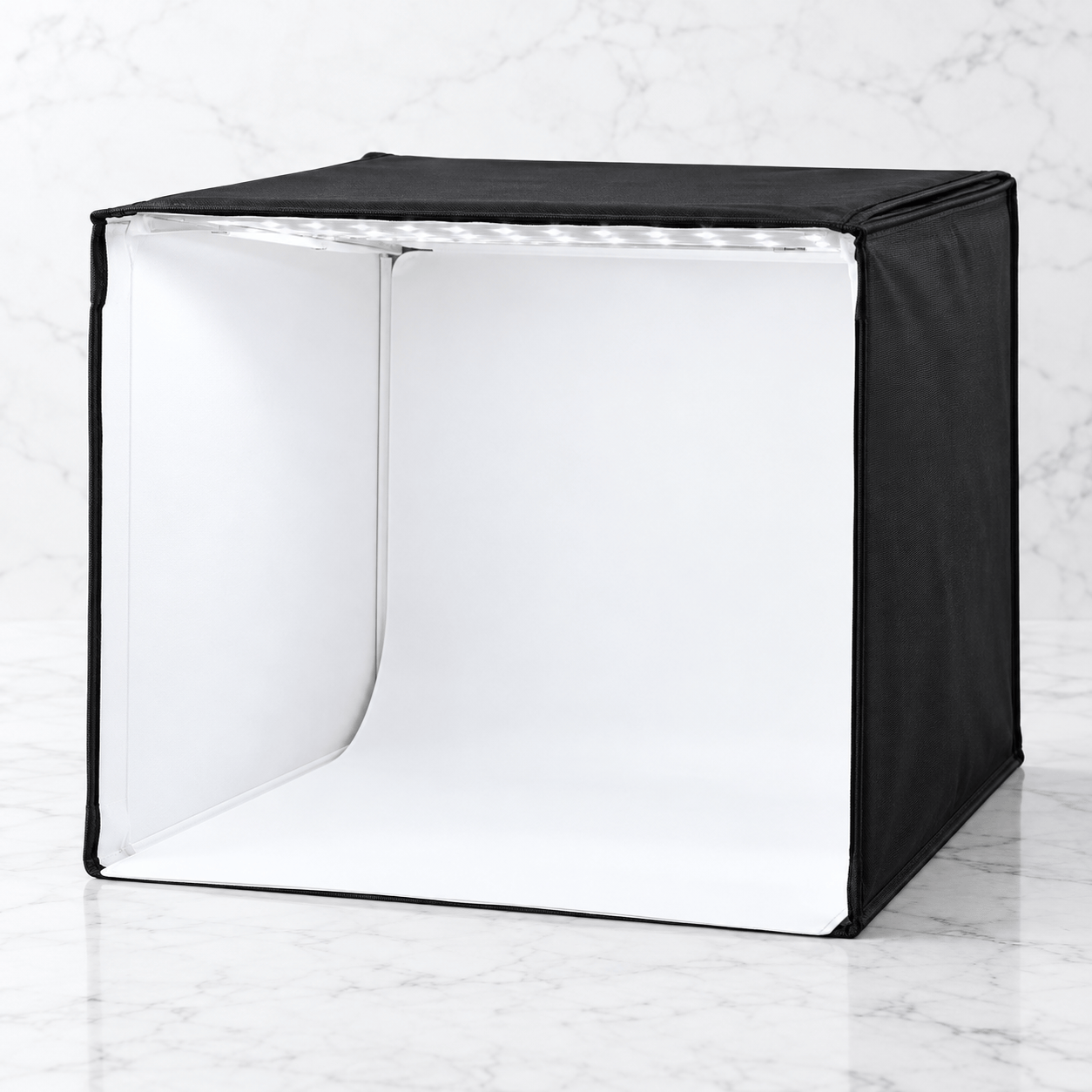
Amazon Basics Portable Foldable Photo Studio
A controlled, bright background for small collectibles, vintage accessories, and anything shiny that a phone struggles to photograph.
View on AmazonCPC may earn an affiliate commission from your purchase, thank you.
3. Sell Books, Box Sets, and Out-of-Print Titles
Ordinary paperbacks may bring little after postage, but specialty books, complete sets, attractive editions, art books, and certain out-of-print titles can justify research. Check ISBN, edition, publication year, and actual condition. A missing dust jacket or writing inside matters, especially for collectors.
Look for completed sales of the same edition, not simply the same title. Selling locally or in bundles can work better for heavy, inexpensive books, where postage eats the proceeds. Avoid buying large boxes of books just because the word “vintage” appears in the listing.

Accuteck 8250 Digital Shipping Scale
Know your parcel weight before you promise shipping. A scale can prevent a $12 sale from turning into a postage surprise.
View on AmazonCPC may earn an affiliate commission from your purchase, thank you.
4. Turn Old Electronics Into Cash
Unused cameras, headphones, tablets, gaming accessories, calculators, and small electronics can attract buyers when model numbers and functionality are clear. Photograph serial or model information without exposing personal identifiers; check ports, batteries, chargers, and accessories. Disclose defects and use appropriate shipping protection.
Before selling a phone, laptop, or storage device, back up anything you need, sign out of accounts, remove activation locks, and follow the manufacturer’s data-erasure instructions. Electronics also have extra shipping rules when lithium batteries are involved. Check the carrier before packaging.


UBeesize 10-inch Ring Light with Tripod
Helpful for consistent clothing photos or listing videos when your apartment has exactly one sunny hour.
View on AmazonCPC may earn an affiliate commission from your purchase, thank you.
5. Sell Toys, Games, and Hobby Collections
Board games with every component, building sets, model kits, craft supplies, and specialized hobby equipment may appeal to collectors or families. Inventory pieces before listing; “probably complete” is a surprisingly expensive phrase. Show the box condition, manuals, and known missing items.
For inexpensive game pieces or collectible accessories, grouped lots can save time and postage. Check manufacturer and marketplace rules about age-restricted, recalled, or unsafe products; something being available secondhand does not mean it belongs in your shop.

Scotch Heavy Duty Shipping Packing Tape, 6 Rolls
Strong sealing tape is not exciting, and neither is explaining to a buyer why a box opened in transit.
View on AmazonCPC may earn an affiliate commission from your purchase, thank you.
6. Bundle Lower-Value Items Into Useful Lots
One basic T-shirt may not justify the time required to sell and ship it. Three coordinated shirts in the same size, a complete craft supply bundle, or a group of related paperbacks might. Bundles can raise order value and reduce the number of separate shipments, though they may limit the audience to buyers who want everything.
Keep bundles tightly related and use one detailed photo showing everything included. A mystery box full of unrelated odds and ends may create more complaints than delight. Compare whether the collection sells better together or individually before committing.

Amazon Basics 10 x 13-inch Black Poly Mailers, 100 Pack
Lightweight, self-seal mailers for soft, non-fragile goods. Use boxes and cushioning for breakables.
View on AmazonCPC may earn an affiliate commission from your purchase, thank you.
7. Resell Quality Shoes and Handbags
Shoes and bags often benefit from close-up condition photography: soles, heels, interior lining, straps, corners, hardware, and labels. Show dimensions and describe wear honestly. For luxury goods, authentication and marketplace rules matter; avoid offering anything you cannot confidently verify.
Shipping weight and bulky shoeboxes affect pricing. For ordinary footwear, a clean presentation may be worth the effort, but skip destructive restoration tricks. If a defect cannot be repaired safely, disclose it or do not sell the item.


Conair Battery-Operated Fabric Shaver and Lint Remover
Remove pilling from sturdy knits carefully, testing an inconspicuous area first; not a magic wand for damaged fabric.
View on AmazonCPC may earn an affiliate commission from your purchase, thank you.
8. Sell Seasonal Decorations at the Right Time
Halloween decor, holiday ornaments, collectible village pieces, party supplies, and seasonal linens have demand that changes throughout the year. Photograph and list items before buyers need them. That means seasonal listing sessions in advance instead of discovering your Christmas inventory on December 27.
Store delicate pieces by category, measure shipping boxes, and keep a record of what goes with a set. Seasonal selling can be inconsistent. It works better as one category in a broader resale routine than as a guaranteed monthly income source.

Brother P-touch PT-D220 Label Maker
Label shelves, inventory bins, and storage zones so you can find the item someone bought three months after you listed it.
View on AmazonCPC may earn an affiliate commission from your purchase, thank you.
9. Source Secondhand Finds Only After You Learn Pricing
Once you have sold items from home, test a modest sourcing budget at thrift stores, estate sales, or community sales. The goal is not buying everything with a brand name; it is buying only items whose likely selling price, fees, condition, postage, and labor leave room for a worthwhile margin.
Use eBay’s Product Research and sold-price information to check comparable transactions. Study how many similar items actually sell, not just how many are offered. Resist the urge to buy six identical lamps because one enthusiastic creator called them a “BOLO.” That acronym does not pay your storage rent.

Rollo Wireless 4×6 Shipping Label Printer
A possible time-saver when shipping becomes routine. Wait until your order volume justifies the cost.
View on AmazonCPC may earn an affiliate commission from your purchase, thank you.
10. Sell Unused Craft and Art Supplies
Extra yarn, uncut fabric, unused paints, scrapbooking supplies, quality tools, and complete kits can attract buyers who would rather try a hobby without paying new-retail prices. Disclose whether materials are opened, dried out, missing pieces, or have any use-by or safety concerns.
Check marketplace restrictions for liquids, adhesives, blades, batteries, and potentially hazardous materials. For a more organized storage setup, see our small craft room furniture guide. For small mixed lots, group by project: embroidery starter bundle, watercolor supplies, or an organized paper-crafting set. A useful bundle is easier to understand than a drawer emptied into a box.
11. Sell Locally When Shipping Makes No Sense
Furniture, heavy storage units, home exercise equipment, large artwork, and awkwardly shaped decor may be better on a local marketplace. You avoid postage but must coordinate schedules, payments, and personal safety. Choose public, well-lit meeting places when practical, use platform messaging, and follow local exchange safety guidance.
Photograph dimensions and damage clearly. Specify whether pickup requires stairs, whether the object disassembles, and what is included. A giant bookshelf is not “easy to carry” simply because you do not want to help move it.

12. Offer Consignment or Listing Help
After learning the fundamentals, you may be able to help friends or local clients photograph and list their items for an agreed fee or commission. This changes the job: now you handle someone else’s property, expectations, and payout rules. Write down who owns the items, what fee applies, who absorbs returns, and when unsold goods go back.
Do not promise earnings, claim to be an appraiser without qualifications, or accept valuables without an appropriate agreement. Test a small project first. Sometimes the most profitable thing you sell is not an object but a service that saves someone else an afternoon.
Where Should You Sell? Match the Platform to the Item
eBay: Useful for broad categories, collectibles, electronics, books, and unusual items. Its Product Research tool can display historical sold prices and market activity. eBay says most casual sellers receive 250 free monthly listings, though category exceptions, transaction fees, and other terms apply.
Poshmark: Often a natural place for clothing, shoes, and accessories. Its published U.S. seller fee policy currently lists $2.95 for sales below $15 and 20% for sales of $15 or more. That should influence which low-priced pieces are worth listing. Review shipping and local taxes before calculating a payout.
Facebook Marketplace and local apps: Convenient for furniture, large household goods, and pickup-only sales. Payment and safety practices matter, and some arrangements carry more fraud risk. Verify payment in the appropriate app rather than trusting screenshots or links from strangers.
Etsy: Not a generic used-goods marketplace. It has specific rules governing vintage goods, craft supplies, and handmade listings. Confirm an item qualifies before treating it as another place to list your thrift finds. A strong seller chooses a platform because its buyers want that product, not because opening an account was easy.
How Much Money Can You Actually Make? Use This Profit Formula
The only useful profit estimate begins with real numbers. Start with sale price minus item cost, selling fees, shipping paid by you, packaging, returns, and other direct costs. Then track time separately. A big sale is exciting, but cash flow is not profit if half the money belonged to postage.
Illustrative example: You buy a jacket for $8 and sell it for $40. Suppose marketplace fees total $8, you pay $6 toward shipping, and packaging costs $1. Your simplified profit before taxes and labor is $17. Those assumptions are an example, not a claim about any particular platform’s current fee or what jackets typically earn.
Now consider the same jacket sitting unsold for six months, being photographed twice, and finally selling for $20. The dollars are different, and so is the value of your time. Keep a spreadsheet with purchase date, item description, cost, sold price, fees, shipping, packaging, refund costs, and minutes spent. After ten or twenty sales, you will have your own data rather than someone else’s highlight reel.
Net cash before taxes = amount collected from buyer − cost of goods − marketplace/payment fees − shipping you pay − packaging and other direct selling costs. To calculate effective hourly return, divide by actual hours spent sourcing, preparing, listing, communicating, and packing.
How to Price Items So They Actually Sell
Type the precise product name, model, size, or maker into sold-listing research. Choose comparisons with similar condition, accessories, and shipping terms. Discard unusually high or low outliers unless you can explain them. Then decide whether you care more about a fast sale or waiting for a higher price.
Photographs make pricing believable. Use a bright, uncluttered backdrop, show genuine details, and never conceal stains or cracks. Include searchable words that buyers actually use: brand, model, material, color, size, measurements, and style. Avoid excessive adjectives. “Beautiful stunning chic rare vintage amazing lamp” is not a better search title than an accurate maker, era, color, and size.
A 7-Day Plan to Make Your First Online Sale
Day 1 — Find ten candidates. Look in the closet, a storage box, bookshelves, and the garage. Choose items you own legally, can inspect, and can ship or hand off safely. Set aside anything that is recalled, counterfeit, personally sensitive, or restricted.
Day 2 — Research sold prices. Search for five good comparisons per item when possible. Note condition, sale date, shipping, and whether the item actually sold. Reject products with poor margins or excessive work.
Day 3 — Clean and photograph. Follow care instructions, test any cleaning method first, use daylight, and capture all sides, tags, scale, accessories, and flaws. One honest picture of damage can save five messages later.
Day 4 — Create listings. Write clear titles and specific descriptions. Add measurements, material, model details, shipping preferences, and realistic handling time. Do not use copyrighted brand names deceptively.
Day 5 — Review shipping. Weigh packaged items, not just bare products. Compare carrier choices and supplies. Make sure the proposed price still leaves the margin you want.
Day 7 — Learn from your listings. Record views, saves, offers, sales, and questions. Improve weak photos or ambiguous titles. If nothing sells after a week, that does not prove the business is a failure—nor does it mean you need to spend $500 on a printer.
Video Tutorial: How to List, Price, and Ship Your First eBay Sale
Prefer to see exactly how online selling works? This step-by-step beginner tutorial from Millennial Profit covers creating an eBay account, taking an item from listing to shipping, understanding fees and returns, and avoiding common new-seller mistakes. Watch the listing and shipping demonstrations, then use the seven-day plan above to sell something you already own.
Mistakes That Quietly Eat Your Side-Hustle Earnings
Buying inventory before proving demand. Your first win should be a real sale, not a shopping spree. Begin with home inventory and cap sourcing budgets until you have repeatable margins.
Ignoring condition. Returns, disputes, and negative feedback can cost more than a rushed listing saved. Disclose wear and take photos before shipping.
Underestimating packaging. Fragile items need real protection and correct outer cartons. A too-large box, the wrong label size, or a postage weight guess can destroy a small margin.
Pricing from asking prices. Someone can list a mug for $200; the existence of that listing says nothing about what a buyer paid. Use sold data where available.
Trusting “easy money” messages. The FTC warns that scammers use unexpected job offers, pressure, and requests for upfront payments. If someone says you must deposit money to unlock earnings or move a sale off-platform, pause and verify before doing anything.
Forgetting taxes. The IRS explains that receiving Form 1099-K does not automatically mean the entire amount is taxable, and not receiving one does not make taxable income disappear. Sales of personal items at a loss can be treated differently from a resale business; keep records and seek tax advice for your situation.
What Should You Buy for a Reselling Side Hustle?
Next consider small improvements that remove friction. A postage scale helps you quote shipping accurately. Better lighting can make condition clear. A steamer or fabric shaver might improve the presentation of suitable clothing, but do not repair or alter items in ways that misrepresent quality. Poly mailers serve soft items; boxes and cushioning protect fragile objects.
Only after repeat orders should you consider higher-cost systems like a shipping-label printer and dedicated inventory labeling. A beautiful shipping station is nice; a profitable one is nicer. Treat Amazon suggestions as optional tools that address a specific problem, not as a required starter shopping list.

Rollo 4×6 Fanfold Direct Thermal Shipping Labels, 500 Pack
Practical companion supplies for a compatible thermal printer; check label size and printer compatibility.
View on AmazonCPC may earn an affiliate commission from your purchase, thank you.
Frequently Asked Questions About Making Money Selling Online
Can I start with no money? Often yes if you already have a phone, internet access, safe shipping materials, and items you own. Some platforms charge fees when items sell. You may still need cash for postage before a payout arrives, depending on the platform and payment schedule.
How do I know what sells fast? Research sold transactions, compare supply and demand for the precise item, and test small batches. No category always sells quickly, and “viral” is not the same as a predictable buyer.
Should I choose eBay or Poshmark? Choose based on your actual inventory. Fashion may fit Poshmark’s audience; electronics, collectibles, and niche goods can benefit from eBay’s wide categories and research tools. Run net-profit comparisons for both before cross-listing.
Is reselling online passive income? No. Sourcing, cleaning, listing, answering questions, protecting parcels, and handling returns require work. You can streamline repeat tasks, but someone must still do them.
Do I need a business license? Rules vary by location, what you sell, and how regularly you sell. Check local and state requirements, marketplace policies, and tax guidance before turning occasional sales into an ongoing business.
The Smartest First Step: Sell One Thing Before Buying Ten
The appeal of a side hustle is real: extra cash, less clutter, a flexible schedule, and perhaps a skill you genuinely enjoy. The risk is just as real: buying supplies and inventory before learning whether your products sell. The quickest test is beautifully ordinary. Pick one item. Check what similar items actually sold for. Photograph it honestly. Calculate the fees. List it.
Once it sells, learn from the process. Was shipping difficult? Was the photo too dark? Did measuring the item save an exchange? That is when the right tools can earn their place. The goal is not to look like a business on day one. The goal is to make decisions that eventually add up to one.
Build your setup around the work, not the hype. Start with our seven-day plan and revisit the optional equipment section when you know where extra spending would actually help.






Leave a Reply