

COUNTRY MUSIC · CREATIVE CONFIDENCE
Imagine getting the call: Elvis Presley wants to record your song. You are thrilled. Then comes the catch—and suddenly the opportunity of a lifetime has terms and conditions.
Dolly Parton said no. That is the part of the story worth turning up. Beneath the rhinestones is a remarkably useful lesson about recognizing the value of something you made, even when a very famous person would like a piece of it.
Why did Dolly Parton turn down Elvis? According to Parton’s account, his manager, Colonel Tom Parker, required half the publishing rights to “I Will Always Love You.” She declined to surrender that share, and the recording never happened. The U.S. Copyright Office recounts the decision in its examination of the song.
Jump to: The song’s surprising beginning · The Elvis deal · Publishing, explained · Try this yourself · A listening-night idea
“I Will Always Love You” Began as a Professional Goodbye
The backstory makes the decision even more interesting. In her 2023 Howard Stern interview, Parton described writing the song as a farewell to Porter Wagoner, her longtime musical collaborator. She wanted to pursue her own career and used songwriting to communicate what ordinary conversation had struggled to resolve.
Listen with that in mind. A song that can sound like a romantic goodbye also carries the feeling of leaving a professional chapter: gratitude, affection, and the certainty that it is time to move forward.
That is an emotionally complicated resignation letter. Most of us can barely manage the subject line.
Curious about the person behind the professional goodbye? Read the songwriting story in Dolly’s own voice before treating it as a neat motivational slogan.

FOR THE SONG-BACKSTORY READER
Dolly Parton, Songteller: My Life in Lyrics
Parton and Robert K. Oermann connect songs with the memories behind them. A fitting next read if the meaning of “I Will Always Love You” surprised you.
A small thank-you: this link supports our business.
The Elvis Offer Came With a Price Beyond Money
In her 2014 interview with Dan Rather, Parton recalled being delighted that Elvis wanted to record the song. But Parker’s demand for at least half the publishing changed the decision. She was deeply disappointed to lose the opportunity and still refused the terms.
The tension is what makes this more than a tidy inspirational anecdote. She wanted the collaboration. Saying no hurt. A boundary does not magically become easy because it is sensible.
And the flattering part of an offer can be very loud. A famous name! A big platform! An exciting introduction! Meanwhile, the part explaining what you give up is sitting quietly in paragraph seven.

What Are Music Publishing Rights? The Simple Version
The U.S. Copyright Office’s guide for musicians explains that music commonly involves two separately protected works:
- The composition: the underlying music and any lyrics—the song a songwriter creates.
- The sound recording: a particular recorded performance of that music.
One song can have many recordings. For this story, the crucial point is that the proposed deal concerned a share of the publishing associated with Parton’s composition. Owning songwriting rights does not automatically mean owning every recording someone else makes.
Think of it as two questions: Who wrote the song? And who owns this particular recording? Different questions, potentially different answers.
If you make music, learn the vocabulary before the exciting offer arrives. The free Copyright Office guide above is a useful first step. A deeper industry reference can help you prepare better questions for a qualified adviser.

FOR THE CREATOR READING PARAGRAPH SEVEN
All You Need to Know About the Music Business — 11th edition
Donald S. Passman explains the business around recording, publishing and royalties. Most useful for working or aspiring musicians; a general reference does not replace advice on your own contract.
A small thank-you: this link supports our business.
Then Whitney Houston Gave the Song Another Life
Whitney Houston recorded “I Will Always Love You” for The Bodyguard in 1992. The Copyright Office’s account connects the success of that version with the significance of Parton’s earlier decision to retain her publishing. Houston’s recording and Parton’s underlying song remained distinct works.
It is tempting to turn that ending into a promise: reject the wrong deal and something enormous will arrive later. Real life is less obliging. Nobody can schedule a Whitney Houston moment.
The useful lesson is smaller and sturdier: make a decision you can defend using what you know today. A good outcome is wonderful. Clear judgment matters before the outcome is known.
Three Things to Borrow From This Story—No Record Deal Required
These are our takeaways from the story, rather than advice or quotations attributed to Dolly.
1. Ask what the exciting opportunity actually costs
Before agreeing to a collaboration, project, or favor, write down what each person contributes and receives. Include time, creative input, credit, access, and future expectations. An offer can be flattering and still require a closer look.
Try saying: “I’m interested. Could you send the full scope and terms so I can review them?” Enthusiasm does not require an immediate answer.
2. Name the part you want to protect
Maybe it is creative control. Maybe it is a realistic deadline. Maybe it is being credited for your work. Decide what matters before the conversation becomes a whirlwind of compliments and urgency.
Try this: complete the sentence “I would be comfortable agreeing if…” Then check whether the actual proposal meets that condition. The answer is easier to see when it is written down.
3. Let a respectful no be a complete decision
You can appreciate an invitation without accepting it. You can be disappointed without reversing your decision. You can admire someone without agreeing to their terms. That combination takes practice, especially if your default response to pressure is an overcommitted calendar.
Try saying: “Thank you for thinking of me. These terms don’t work for me, so I’ll have to pass.” Warm, clear, and mercifully shorter than a breakup ballad.
Want more of Dolly’s perspective after practicing your own respectful no? Choose a short reflective read rather than another productivity system. Try noting one idea you want to put into practice this week.
FOR A LITTLE CREATIVE ENCOURAGEMENT
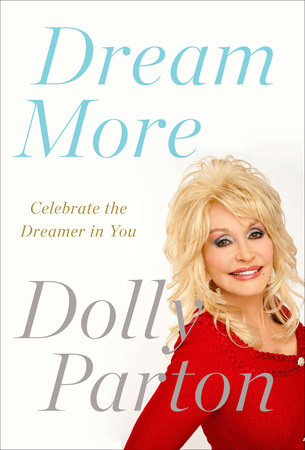
Dream More: Celebrate the Dreamer in You
This 128-page paperback expands Parton’s commencement speech into reflections on learning, caring and pursuing a life on your own terms. It complements the confidence exercises above.
A small thank-you: this link supports our business.
Make It a Two-Song Listening Night
Here is an easy way to turn a fascinating fact into an actual experience. Find Dolly Parton’s original recording and Whitney Houston’s 1992 version through an authorized music service. Listen to each once without multitasking.
- Notice the scale. How do the arrangements change the emotional temperature?
- Notice the voice. Which details feel intimate, restrained, dramatic, or expansive to you?
- Revisit the backstory. Does hearing the original as a professional farewell change your interpretation?
If friends are joining, ask everyone for one observation before opening a trivia tab. You do not need to agree. This is a listening night, not a jury.
Another Way to Turn Admiration Into Something Useful
For a practical way to connect with another part of Parton’s work, explore Dolly Parton’s Imagination Library. Founded in 1995, the program was inspired by her father’s inability to read and write and began in Sevier County, Tennessee. It gifts books to young children through participating local programs.
If you have a young child in the family, use the official U.S. program page to check local availability and enrollment information. Eligibility depends on the program serving your area. Reading together—or helping someone discover the program—gives the conversation somewhere useful to go after the music stops.
Bring the reading conversation down to a child’s eye level. After checking Imagination Library eligibility, consider a library copy or this illustrated story for a shared read about kindness and the value of something handmade.
FOR THE NEXT FAMILY READ-ALOUD
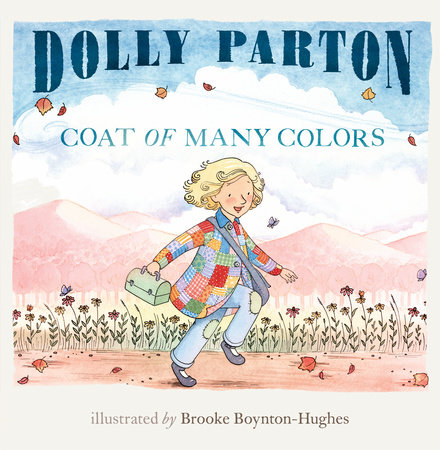
Coat of Many Colors — illustrated picture book
Dolly Parton’s story, illustrated by Brooke Boynton-Hughes, offers children ages 3–7 a way into a conversation about teasing, family love and seeing worth beyond a price tag.
A small thank-you: this link supports our business.
A Little Country-Music Love From Our Studio
If your listening-night outfit could use a little enthusiasm, our Dolly Is Bae tee or tank is a playful option from Catching Print Co. Wear it with jeans, layer it under an open shirt, or save it for your next country concert. The listing includes tee and tank choices; check the current style options and size chart for your preferred fit.


From our shop. No affiliation with or endorsement by Dolly Parton is implied.
See the tee and tank options on Etsy →
The rhinestones tell a story of creative ownership, too. If the style side of Dolly’s confidence catches your eye, explore the decisions behind her looks rather than buying a costume to imitate them.
FOR THE STYLE-CURIOUS DOLLY FAN
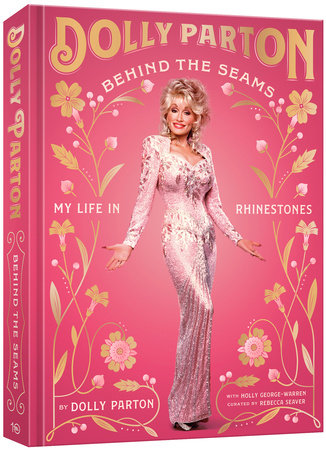
Behind the Seams: My Life in Rhinestones
This photo-rich account pairs Parton’s wardrobe archive with stories about building her own visual identity. A thoughtful choice for Dolly fans interested in fashion, design and self-expression.
A small thank-you: this link supports our business.
Frequently Asked Questions About Dolly, Elvis, and the Song
Did Elvis Presley ever record “I Will Always Love You”?
No. In the account discussed above, the proposed recording fell through over the publishing terms.
Did Dolly Parton write Whitney Houston’s “I Will Always Love You”?
Yes. Parton wrote the underlying song; Houston later recorded her own celebrated version.
Was “I Will Always Love You” written about a romantic breakup?
Parton described writing it as a professional farewell to Porter Wagoner. Listeners can, of course, connect its emotions with other kinds of goodbye.
Keep Following Your Curiosity
For another read about Southern identity and belonging, explore what “Y’all Means All” means. Or leave a comment: which song changed for you after you learned its backstory?
Sources and Further Reading
- U.S. Copyright Office: Dolly Parton and Whitney Houston’s copyright story (2023)—publishing decision and the distinction between the song and its recordings.
- The Big Interview with Dan Rather: Dolly Parton transcript (2014, PDF)—Parton’s own account of the Elvis offer.
- The Howard Stern Show: Dolly Parton interview (2023)—her account of writing the song for Porter Wagoner.
- U.S. Copyright Office: What Musicians Should Know About Copyright—background on compositions and sound recordings.
- Imagination Library: About the program and U.S. enrollment information—program history and local availability.
Editorial note: historical details are attributed to the sources above; the everyday exercises and listening prompts are our interpretation. Article artwork illustrates the themes rather than historical events. Featured guitar photo: Mushtaq Hussain / Pexels. Vinyl image: Pexels photo library. Apparel images come from our linked Etsy listing; book covers are retailer or publisher product images.
As an Amazon Associate I earn from qualifying purchases. Thank you for supporting Catching Print Co.






Leave a Reply